If you are planning to remodel your bathroom, one of the most important decisions you will have to make is whether to install a walk-in shower or a tub. Both options have benefits and drawbacks, and the best choice depends on your needs, preferences, budget, and available space.
For that reason, we will compare walk-in showers and tubs, and help you choose the best one for your bathroom remodeling project. We will also introduce you to safe walk in shower, a special type that offers safety, comfort, and accessibility for everyone.
What is a Walk-In Shower?
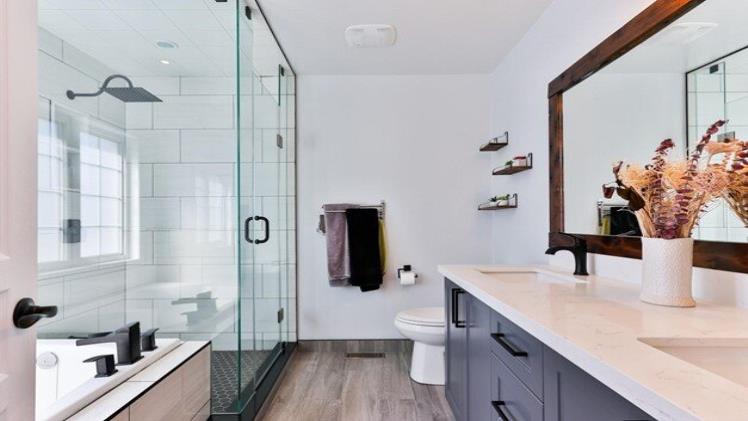
A walk-in shower is a shower that lacks a door or threshold, allowing for unobstructed entry and exit. It typically features a glass panel or curtain to prevent water from splashing outside the shower area.
Some benefits of a walk-in shower include:
- Space-saving – Occupying less room than a tub, a walk-in shower can be installed in any corner or niche of your bathroom, creating a sense of spaciousness and openness.
- Ease of cleaning – With fewer parts and surfaces to maintain, a walk-in shower requires less effort than a tub. It also helps prevent mold and mildew growth in bathroom corners and crevices.
- Stylish and modern – A walk-in shower’s sleek and minimalist design can enhance your bathroom’s aesthetic appeal and value. It can be easily incorporated into various styles and themes, from contemporary to rustic.
- Accessibility and safety – Eliminating the risk of tripping or slipping, a walk-in shower provides safe access for individuals with mobility issues, such as seniors or disabled individuals, enabling them to use the shower independently.
However, there are some drawbacks to consider:
- Coldness – Due to increased exposure to cold air when the water is turned off, or the curtain is opened, a walk-in shower may make the bathroom feel colder and less cozy, particularly during winter.
- Reduced relaxation – Unlike a tub where you can soak, unwind, and enjoy a bubble bath or bath bomb, a walk-in shower may not offer the same relaxation and comfort.
- Higher cost – Depending on size, design, materials, and features, a walk-in shower installation can be more expensive than installing a tub. Additionally, using more water in the shower may lead to increased water bills compared to using a tub.
What is a Tub?
A tub is a large container designed for bathing, typically filled with water. It usually features a faucet, a drain, and sometimes a showerhead. Tubs can be freestanding, built-in, or alcove-style.
Some benefits of having a tub include:
- Relaxation – A tub allows you to soak in warm water, providing a relaxing experience for your muscles, mind, and overall mood. It can aid in stress relief, pain management and even promote better sleep.
- Coziness and warmth – Tubs help keep you warm and cozy, particularly during colder weather. They create a comfortable and inviting atmosphere in your bathroom and contribute to a more humid environment during winter.
- Family-friendly -Tubs suit families with children, pets, or couples who enjoy bathing together. They can be a source of fun and playfulness for kids, allowing them to splash, float, and play with water toys.
- Traditional and classic -Tubs can add a touch of tradition and elegance to your bathroom with their classic and timeless designs. They can complement various styles and themes, from vintage to romantic aesthetics.
However, there are some drawbacks to consider:
- Space requirements – Tubs occupy more space compared to walk-in showers and may not be suitable for small or narrow bathrooms. They can make a bathroom look cramped and cluttered if the space is limited.
- Cleaning challenges – Tubs have more parts and surfaces to clean than walk-in showers, requiring additional maintenance and care. They can also be prone to bacteria, mold, or mildew growth in corners and crevices.
- Accessibility and safety concerns – Entering and exiting a tub can be challenging for individuals with mobility issues, such as seniors or disabled individuals, due to high edges or thresholds.
How to Choose Between a Walk-In Shower and a Tub
Now that you know the pros and cons of walk-in showers and tubs, you may wonder how to select the best option for your bathroom remodeling project. Here are some factors to consider:
- Personal needs – Consider your bathing habits and preferences. Do you prefer quick showers or long, relaxing baths? Are there any health or medical reasons that require a specific bathing option? Consider any special needs or requirements you may have for your bathing experience.
- Budget constraints – Evaluate how much you are willing or able to spend on your bathroom remodeling project. Research the installation, maintenance, and utility costs of walk-in showers and tubs. Determine how much water and energy they consume.
- Bathroom dimensions – Examine your bathroom’s size, shape, and layout. Assess the available space for a shower or tub. Consider how each option will impact your bathroom’s overall flow and arrangement. Determine how well they will integrate with other bathroom elements and design.
- Aesthetic preference – Consider the desired aesthetic of your bathroom. Determine the style or theme you want to achieve with your remodeling project. Reflect on the colors, materials, features, and accessories that align with your vision for the shower or tub.
What is a Safe Walk in Shower?
A safe walk-in shower is a special type of shower that prioritizes safety, comfort, and accessibility. It offers additional features such as:
- Low or no threshold – Eliminates the need to step over high barriers, reducing the risk of tripping.
- Non-slip floor – Provides traction and prevents slipping on the wet surface.
- Grab bar – Offers support and balance while entering, exiting, or standing in the shower.
- Seat – Allows for sitting and relaxing, conserving energy and preventing fatigue.
- Handheld showerhead – Enables water direction and pressure control, ensuring easy reach.
It is ideal for those with mobility issues, like seniors or disabled individuals, as well as anyone valuing safety and comfort. It can be customized to fit your needs, preferences, budget, and available space.
Conclusion
When considering a bathroom remodel, weighing the pros and cons of walk-in showers and tubs is important. Walk-in showers prioritize space, accessibility, ease of cleaning, and customization, while tubs offer relaxation, fun, versatility, and tradition. The best choice for your remodel depends on your needs, preferences, budget, and available space.