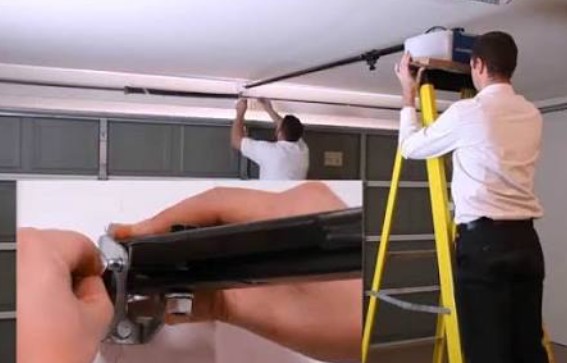
Fresh equipment still needs careful setup before a garage door opener is ready for everyday use. Final adjustments determine how far the door travels, how much force the motor applies, how the safety sensors respond, and whether remotes or smart controls work as intended. Proper post-installation checks also help catch door-balance problems that could make a new opener work harder than it should.
Start by Confirming the Door Moves Smoothly by Hand
Manual movement gives technicians a quick way to see whether the door itself is balanced before relying on the motor. Disconnecting the opener allows the door to be raised and lowered by hand, which can reveal binding rollers, track resistance, or spring tension that is too weak or too strong. Balanced doors should move with controlled effort and should not slam shut or shoot upward when released carefully. Homeowners who notice those problems after garage door opener installation may need mechanical service before the opener is used regularly.
Travel Limits Need to Match the Door’s Full Range
Travel limits tell the opener where the fully open and fully closed positions should be. Incorrect settings can leave a gap at the floor, make the door stop too low, or cause the motor to keep pushing after the panels have already reached the end of their path.
Fine adjustments matter because excess downward travel can place unnecessary pressure on the top section, rail, and opener arm. Upward limits also need enough clearance so the door opens fully without pulling the trolley past its intended stopping point. Technicians normally cycle the system several times and make small changes until the door reaches both positions cleanly and consistently. Calibration should also account for the floor seal, since a compressed gasket can change where the opener senses the closed position. Weather changes may alter that contact slightly over time. Periodic checks help confirm that the door still closes firmly without forcing the motor against the floor.
Safety Sensors Must Be Aligned and Tested
Photo-eye sensors near the bottom of the tracks are designed to detect objects in the closing path. Clear lenses, stable brackets, proper wiring, and accurate alignment all affect whether the beam works correctly. Installers test the response by interrupting that beam while the door closes and confirming that the system reverses instead of continuing downward. A garage door repairman near me may also check for sunlight interference, loose wiring, or vibration if the sensors behave inconsistently after installation.
Force Settings Should Never Hide a Mechanical Problem
Force controls determine how much resistance the opener accepts before stopping or reversing. Raising those settings too high can make a motor push through a binding door instead of responding to the resistance as a warning.
Door weight plays an important role here because a weakened spring can make an otherwise healthy opener seem underpowered. Replacing garage door spring components may be necessary if the door feels heavy, drifts downward, or no longer stays balanced during a manual check. Professionals correct the mechanical issue first rather than using extra opener force to compensate for worn hardware.
Remote Controls and Keypads Need Their Own Setup
Remote transmitters, wireless keypads, wall controls, and built-in vehicle buttons often require programming after installation. Each device should operate the intended door without interfering with nearby openers, especially in homes with multiple garage bays. Crews can also remove old codes so lost or previously issued remotes no longer provide access. Households with smart systems may choose individual user permissions instead of sharing one permanent code with everyone.
Smart Features Work Better After the Basics Are Verified
Connected openers may include app control, door-status alerts, scheduled closing, battery backup notifications, and temporary access for guests. These features should be configured only after travel, balance, sensors, and force settings have been confirmed because software cannot correct a mechanical setup problem.
Network testing is another useful step during modern garage door opener installation. Weak Wi-Fi near the garage can cause delayed status updates or failed remote commands even though the opener itself works correctly. An overhead door company near me that handles connected systems can help homeowners confirm app pairing, notification settings, user permissions, and compatibility with the installed opener. Anyone completing garage door installation at the same time can also benefit from having the door and opener tested together as one system.
Finish with Reversal, Emergency Release, and Routine Checks
Completion safety testing should include the automatic reversal function, manual emergency release, wall controls, remotes, lights, and backup power if the opener includes a battery. Manufacturers provide specific procedures for reversal testing, so installers follow the requirements for that opener rather than relying on a quick visual check. Regular observation afterward also matters because new noises, uneven movement, delayed response, or a changing floor gap can signal that something has shifted after the first several cycles. Snappy Doors provides professional garage door opener installation and can help homeowners with setup, smart-system configuration, garage door installation, repair needs, and replacing garage door spring components when the door itself needs attention before the opener can perform correctly.