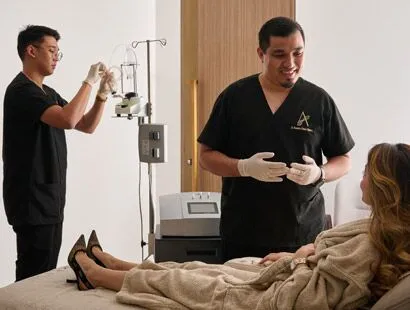
The landscape of cancer care is undergoing a profound shift from generalized treatments to personalized oncology, where therapy is tailored to the unique genetic code of both the patient and the tumor. In 2026, Dubai has emerged as a global frontrunner in this transition, integrating gene therapy into routine oncological protocols. By leveraging the city’s advanced biotechnological infrastructure and the expertise found in the best hospitals in Dubai, medical teams are now able to treat “incurable” cancers with molecular precision.
This “tailored healing” approach is no longer a futuristic concept; it is a clinical standard in the UAE, driven by the convergence of genomic sequencing, immunotherapy, and cellular engineering.
The Blueprint of Personalized Oncology
Traditional oncology often relies on a “one-size-fits-all” model, utilizing chemotherapy or radiation that attacks all rapidly dividing cells. Personalized oncology, however, uses the patient’s own genetic data as a roadmap. The best hospitals in Dubai now utilize Next-Generation Sequencing (NGS) to identify specific “driver mutations” in a patient’s tumor.
Once these mutations are identified, gene therapy techniques are employed to intervene. This can involve:
- Targeted Gene Silencing: Using small interfering RNA (siRNA) to “turn off” the genes responsible for uncontrolled tumor growth.
- Oncolytic Virotherapy: Injecting genetically engineered viruses that selectively infect and rupture cancer cells while ignoring healthy tissue.
- Suicide Gene Therapy: Introducing “suicide genes” into cancer cells that make them vulnerable to specific non-toxic drugs, effectively causing the tumor to self-destruct.
CAR T-Cell Therapy: The “Living Drug” Revolution
The most significant milestone in the integration of gene therapy and oncology in the UAE is the widespread availability of CAR T-cell therapy. Often described as a “living drug,” this treatment involves extracting a patient’s T-cells (the “soldiers” of the immune system) and genetically reprogramming them in a laboratory to recognize a specific protein on the surface of cancer cells.
In the best hospitals in Dubai, this protocol has become a lifesaver for patients with relapsed or refractory blood cancers, such as B-cell acute lymphoblastic leukemia (ALL) and certain types of lymphoma.
The CAR T-Cell Workflow in Dubai’s Elite Facilities:
- Leukapheresis: T-cells are harvested from the patient’s blood using specialized equipment.
- Genetic Engineering: Using a viral vector, a new gene is inserted into the T-cells, equipping them with Chimeric Antigen Receptors (CARs).
- Expansion: The modified “super-cells” are grown in large numbers in ultra-sterile Good Manufacturing Practice (GMP) labs.
- Infusion: The CAR T-cells are infused back into the patient, where they hunt and destroy malignant cells throughout the body.
The success rates for CAR T-cell therapy in Dubai have mirrored global benchmarks, with many patients achieving complete remission after failing multiple rounds of conventional chemotherapy.
Why Dubai is a Global Leader in Precision Oncology
The ability to offer these advanced therapies is not universal; it requires an ecosystem of excellence that only a few global cities possess. The best hospitals in Dubai have secured their position through several key factors:
1. Integration with the National Genome Strategy
Dubai’s oncology centers benefit from the UAE National Genome Strategy, which has mapped the genetic profiles of over 600,000 citizens. This data allows oncologists to understand regional genetic variations, enabling them to predict which patients will respond best to specific gene therapies and reducing the “trial and error” phase of cancer treatment.
2. Specialized Cold-Chain and Laboratory Infrastructure
Gene therapy products are highly volatile and require precise temperature controls (often as low as -80°C) and specialized handling. Leading facilities in Dubai, such as those within the Aster DM Healthcare network, have invested in high-tech pharmacy and lab suites that meet these stringent international requirements, ensuring the potency and safety of every “living drug” administered.
3. Multidisciplinary “Tumor Boards”
In Dubai’s top hospitals, treatment plans are not decided by a single doctor. Instead, cases are reviewed by Multidisciplinary Tumor Boards consisting of geneticists, molecular biologists, surgical oncologists, and specialized pharmacists. This collaborative approach ensures that gene therapy is integrated seamlessly with other treatments like robotic surgery or targeted radiation.
| Treatment Type | Traditional Oncology | Personalized Gene-Oncology |
| Target | All fast-growing cells | Specific genetic mutations |
| Toxicity | High (Systemic side effects) | Lower (Targeted impact) |
| Duration | Long-term cycles | Often a one-time “living” infusion |
| Outcome | Remission possible | Potential for molecular cure |
Overcoming the “Resistance” Challenge
One of the greatest hurdles in cancer care is drug resistance, where a tumor evolves to survive treatment. Gene therapy offers a solution by addressing the tumor’s “evolutionary” mechanisms. In Dubai, researchers are exploring combination gene therapy, which uses CRISPR-Cas9 technology to edit out the genes that allow tumors to develop resistance to chemotherapy. By “resetting” the tumor’s genetic defenses, oncologists can make traditional treatments effective again, providing a second chance for patients with advanced-stage cancers.
The Patient Experience: Beyond the Science
For patients traveling to the best hospitals in Dubai, the focus is on a holistic “Healing Journey.” Precision oncology can be physically and emotionally demanding. Therefore, Dubai’s centers of excellence complement gene therapy with:
- Genetic Counseling: Helping patients and their families understand the hereditary implications of their diagnosis.
- Integrative Support: Specialized nutrition and mental health programs tailored to the unique needs of patients undergoing cellular therapy.
- Post-Therapy Monitoring: Advanced digital health platforms that track patient recovery and immune responses in real-time, even after they return to their home countries.
Summary
The integration of gene therapy and personalized oncology has turned a regional milestone into a global standard of care. By focusing on the unique genetic signature of every patient, the best hospitals in Dubai are not just treating cancer; they are engineering a future where the disease can be outsmarted at a molecular level. For patients worldwide, Dubai now stands as a beacon of hope, offering the most advanced “tailored healing” protocols available in modern medicine.