

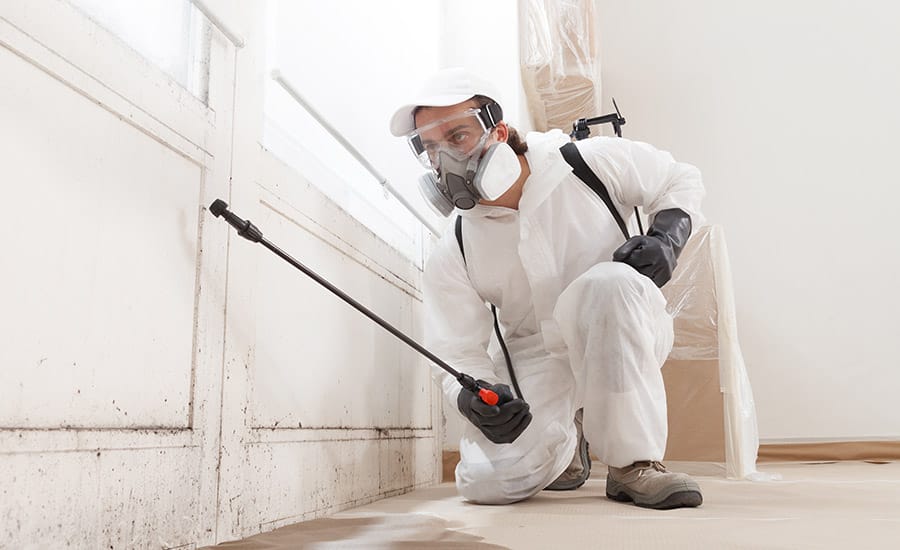
Mold remediation experts help property owners assess contamination, remove affected materials, and address the moisture that allows growth. Professional help is particularly useful when mold is extensive, hidden, recurring, or associated with contaminated water. For U.S. homeowners and businesses, understanding the process makes it easier to compare contractors and plan repairs without assuming that removing visible stains solves the problem.
Key Takeaways
- Correct the moisture source alongside mold removal.
- Seek experienced help for extensive, hidden, or recurring contamination.
- Request a written plan covering containment, cleaning, and disposal.
- Confirm how drying and completion will be assessed.
- Monitor humidity and repair leaks to reduce recurrence.
Recognize When Professional Help Is Useful
Look for Moisture and Material Damage
Musty odors, visible growth, and recurring dampness warrant investigation. Peeling paint or discoloration can indicate moisture problems, but these signs alone do not establish that mold is present.
Explain previous leaks, flooding, and repairs during the assessment. This history can help identify areas needing closer inspection.
Consider the Extent and Conditions
Not every small patch requires professional remediation. The EPA notes that homeowners can often handle areas smaller than about 10 square feet using its cleanup guidance.
Larger areas, substantial water damage, suspected hidden growth, or sewage contamination may require experienced assistance. Occupants with health concerns should seek advice from a healthcare professional.
How Mold Remediation Experts Address Contamination
When comparing Mold Remediation Experts, ask how the proposed work addresses both contamination and moisture.
Assessment and Containment
The team should identify affected materials and investigate moisture sources. Depending on conditions, containment and air filtration can help limit the spread of contaminated dust during work.
Ask how unaffected rooms and belongings will be protected.
Removal and Cleaning
Mold-damaged porous materials, including some drywall and insulation, may require removal. Salvageable surfaces need appropriate cleaning.
Killing mold alone is insufficient because dead mold can still cause allergic reactions in some people. Removal and moisture correction remain important.
Drying and Completion Checks
Confirm who will repair leaks and how drying will be verified. Before reconstruction, request an explanation of completion criteria and any remaining work.
A fresh coat of paint or improved smell alone does not demonstrate successful remediation.
Reduce the Risk of Recurrence
Repair leaks promptly and vent moisture-generating activities outdoors. The EPA recommends keeping indoor relative humidity below 60%, ideally between 30% and 50%, where possible.
Use a humidity meter to check conditions. Review the Latest news at Flood Pros USA for additional property-care information.
Summary
Effective remediation combines contamination removal, moisture correction, and documented completion checks. Request a clear scope, relevant credentials, and an itemized estimate before authorizing work.
Media Contact
Website: https://www.floodprosusa.com/
Phone: (727) 472-1008
Address: 100 2nd Ave NE Suite 240-01, St. Petersburg, FL 33701
