

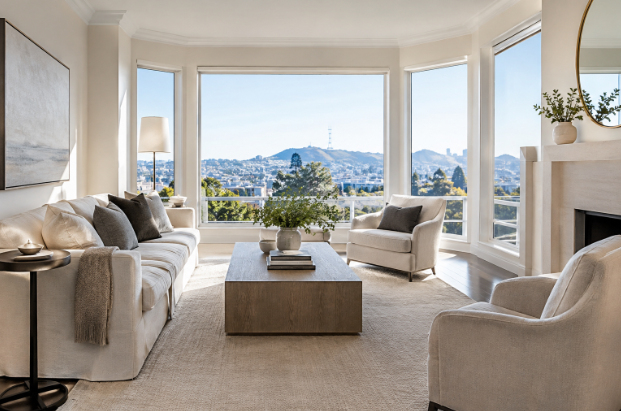
Preparing a luxury property for sale is not about adding every possible upgrade. It is about presenting the home with clarity, care, and a strategy that fits its location, architecture, and likely buyer. In San Francisco and across the Bay Area, details such as natural light, privacy, outdoor usability, views, parking, and documented improvements can shape a buyer’s first impression.
For owners seeking local perspective, San Francisco CA real estate agent Roh Habibi offers a real estate website focused on buying, selling, home valuation, and market guidance throughout the Bay Area. Roh Habibi is a California-licensed real estate professional with a background in finance and wealth management, and his work spans markets including San Francisco, Atherton, Silicon Valley, Fremont, Danville, and surrounding communities. That combination of luxury-property experience and financial context can be useful when sellers are balancing presentation choices with broader move, investment, or estate-planning goals.
Table of Contents
- Understand the Local Luxury Market
- Set Selling Goals
- Complete a Pre-Sale Review
- Prioritize Repairs and Updates
- Stage for the Buyer Experience
- Market, Price, and Show the Home
- Review Offers Carefully
- Follow a 30-Day Checklist
Understand the Local Luxury Market
Bay Area luxury real estate is never one single market. A Pacific Heights residence, an Atherton estate, a Sausalito view property, and a modern Silicon Valley home may appeal to very different buyers. Location, lot size, architectural character, access to daily amenities, views, privacy, and overall condition all affect how a home should be prepared and positioned.
Set Selling Goals Before Spending
Before calling contractors or ordering furnishings, define the outcome that matters most. Some sellers need a predictable closing date. Others value discretion, a rent-back arrangement, minimal disruption, or the strongest possible launch. Establish a preparation budget and a realistic timeline, then evaluate each project against those priorities.
Complete a Pre-Sale Property Review
Walk through the home with fresh eyes and make a written list of distractions buyers may notice. Check roof and drainage conditions, windows, doors, visible cracks, water stains, lighting, appliances, heating and cooling, landscaping, decks, pools, and smart-home equipment. Gather permits, warranties, plans, and invoices for meaningful improvements. In San Francisco, sellers considering unfinished permitted work should also understand permit application timelines and extensions before making assumptions about what can be completed before listing.
Early review creates options. It can reveal a repair that should be addressed immediately, identify an item that should be disclosed, or prevent a rushed decision after a buyer’s inspection. California residential transactions can involve multiple disclosures, and the California Department of Real Estate explains the role of property-condition disclosures and other transaction documents. Sellers should obtain advice tailored to their own property and transaction.
Prioritize Repairs Buyers Can See and Value
Not every dated feature requires replacement. A well-maintained home with clean finishes often makes a better impression than a rushed remodel filled with highly personal selections. Focus first on work that removes doubt and improves the walking experience through the property.
- Repair damaged flooring, sticking doors, loose hardware, and worn trim.
- Refresh paint where it appears marked, faded, or inconsistent.
- Improve lighting with working bulbs and appropriately scaled fixtures.
- Deep-clean windows, stone, tile, grout, exterior surfaces, and fireplaces.
- Address visible landscaping issues, dead plantings, and neglected pathways.
Know When to Stop
A major renovation may not be the right answer if it delays the listing, exceeds the preparation budget, or introduces a design direction that does not fit the home. Compare the likely cost, timing, and local competition before undertaking substantial work.
Stage for the Buyer Experience
Staging should make the layout easier to understand, not conceal it. Edit oversized furniture, personal collections, and crowded surfaces so buyers can see room dimensions, circulation paths, built-in features, and natural light. Use furnishings that suit the scale of the home, whether it is a historic residence, a contemporary condominium, or a larger suburban estate.
- Entry: Create a bright, uncluttered arrival.
- Kitchen: Clear counters and emphasize workspace, storage, and light.
- Primary suite: Use calm bedding, simple surfaces, and soft lighting.
- Office: Show a functional workspace without personal files or cables.
- Outdoor areas: Define dining, lounging, garden, or poolside use.
Market, Price, and Show the Home
Luxury marketing should be specific. Professional photography, video, floor plans, and a concise property description can help buyers understand what is genuinely rare about the home. Highlight verified details such as a protected outlook, a flexible guest suite, restored craftsmanship, a landscaped garden, or a desirable walkable setting. Avoid broad claims that cannot be supported.
Pricing should reflect recent comparable sales, active competition, pending listings, condition, lot characteristics, views, privacy, and the timing of the launch. A price is not simply a number. It is a market-positioning decision that affects who sees the home, how buyers compare it, and whether they feel urgency to act.
For private showings and open houses, secure personal documents, medication, jewelry, artwork, and access codes. Keep the temperature comfortable, use consistent lighting, remove pet items and odors, and prepare clear parking and access instructions. A concise fact sheet with improvement dates, permits, and major system information can also make conversations more productive.
Review Offers Beyond Purchase Price
The highest price is not automatically the strongest offer. Compare the complete terms, including financing strength, down payment, contingencies, deposit amount, requested credits, appraisal exposure, closing schedule, and possession needs. Sellers should review contracts, disclosures, and negotiation choices with qualified California real estate and legal professionals.
A 30-Day Luxury Home Sale Checklist
Days 30 to 21
- Set goals, budget, and preferred timing.
- Review condition and collect property records.
- Obtain estimates for priority work.
Days 20 to 14
- Complete high-impact repairs and deep cleaning.
- Declutter closets, storage, and garage areas.
- Refresh exterior spaces and landscaping.
Days 13 to 7
- Stage the home and complete final touch-ups.
- Schedule photography, video, and floor-plan creation.
- Finalize pricing, listing details, and showing procedures.
Days 6 to 1
- Review disclosures and property information for accuracy.
- Secure valuables and personal materials.
- Complete a final room-by-room walkthrough before launch.
Final Thoughts
A successful luxury home sale in San Francisco, California, begins with disciplined preparation. Focus on condition, clear documentation, thoughtful design, accurate pricing, privacy, and a buyer-friendly showing experience. The goal is not to make the property look like every other listing. It is to make its most valuable qualities easy to recognize and difficult to forget.
