

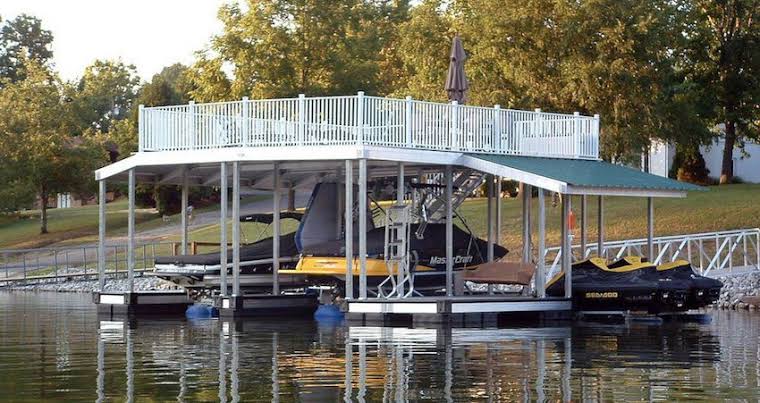
A dock should be a place to enjoy the water, not another outdoor structure that constantly needs repairs. Yet years of moisture, rain, and changing temperatures can leave waterfront owners dealing with rusted hardware, damaged decking, and weakened supports. Aluminum boat docks offer a more manageable alternative because their corrosion-resistant construction helps reduce several common maintenance problems associated with traditional dock materials.
Why Water Exposure Is Hard on Traditional Dock Materials
Dock structures face constant moisture, even when their surfaces appear dry. Rainwater collects around connections, waves repeatedly wet the framing, and humid conditions slow drying. These conditions can accelerate deterioration, particularly where water becomes trapped between structural components.
Wood may absorb moisture, causing swelling, splitting, and eventually decay if conditions remain favorable for fungal growth. Steel faces a different problem because exposed iron reacts with oxygen and water to form rust. Galvanized coatings help protect steel, but scratches and long-term exposure can gradually reduce that protection.
How Aluminum Protects Itself Against Corrosion
Unlike ordinary steel, aluminum naturally forms a thin oxide layer when exposed to oxygen. This protective surface helps prevent further corrosion by separating the underlying metal from its environment. If minor scratches remove the layer, it can form again under suitable conditions.
That natural protection makes aluminum particularly useful for freshwater docks. However, corrosion resistance does not mean complete immunity. Saltwater, trapped moisture, and contact with incompatible metals can still cause localized damage. Experienced boat dock builders account for these risks through material selection and proper construction methods.
Less Rust Means Fewer Maintenance Concerns
Traditional steel docks may need periodic attention to damaged coatings, especially around welds, bolts, and exposed edges. Rust can spread beneath compromised protective finishes, making early repairs important. Aluminum framing generally avoids the same coating-related maintenance requirements because it does not depend on paint or galvanizing for its basic corrosion resistance.
Cleaning remains necessary, though. Dirt, leaves, and sediment can accumulate around joints and encourage moisture retention. Owners should also inspect fasteners, flotation equipment, and moving connections. These simple checks help identify wear before it develops into a larger repair.
Can Aluminum Handle Years of Changing Water Conditions?
Lakes and reservoirs expose docks to more than moisture. Seasonal water fluctuations, boat wakes, and strong winds place repeated loads on framing and attachment points. A material must resist corrosion while maintaining enough structural strength for everyday use.
Aluminum offers a favorable strength-to-weight ratio, allowing manufacturers to build engineered frames without the weight of many comparable steel structures. Floating dock contractors can use these properties when designing platforms that need sufficient buoyancy and dependable support.
Still, structural performance depends on framing dimensions, weld quality, and proper load calculations. Corrosion-resistant material cannot compensate for undersized beams or poorly installed connections.
The Importance of Using Compatible Fasteners and Hardware
A dock’s aluminum frame may remain in good condition while smaller metal components begin to deteriorate. Direct contact between dissimilar metals in a wet environment can cause galvanic corrosion, where one metal corrodes faster because of an electrical reaction.
Proper installation helps prevent this problem. Contractors may use suitable stainless steel fasteners, nonconductive washers, isolation materials, and other protective measures where needed. Hardware selection also depends on the water environment and expected loads.
Drainage deserves attention as well. Connections that trap water and debris can experience localized corrosion, making well-designed joints and accessible inspection points valuable features.
Comparing Long-Term Costs With Wood and Steel Docks
Initial pricing can make traditional materials appealing, particularly for smaller waterfront projects. However, maintenance expenses influence the total cost of ownership. Wooden docks may require replacement boards and protective treatments, while steel structures can need coating repairs or corrosion-related maintenance.
Aluminum systems may cost more initially, depending on their design and accessories. Their reduced need for surface treatments can make them economical over years of use. Durability also depends on site conditions, construction quality, and regular inspections.
Finding Aluminum Dock Options That Fit the Property
Searching for dock builders near me can help homeowners compare materials, installation services, and available designs. Beyond pricing, buyers should ask about aluminum specifications, framing construction, warranty terms, and hardware compatibility. A properly matched system should suit the shoreline, intended activities, and expected water conditions.
For waterfront owners who want durable construction without frequent surface maintenance, Bar H Solutions offers aluminum dock systems in several configurations, including floating platforms and covered boat slips. Its dock design and installation services can help customers select practical features and corrosion-resistant materials suited to their waterfront properties.
