

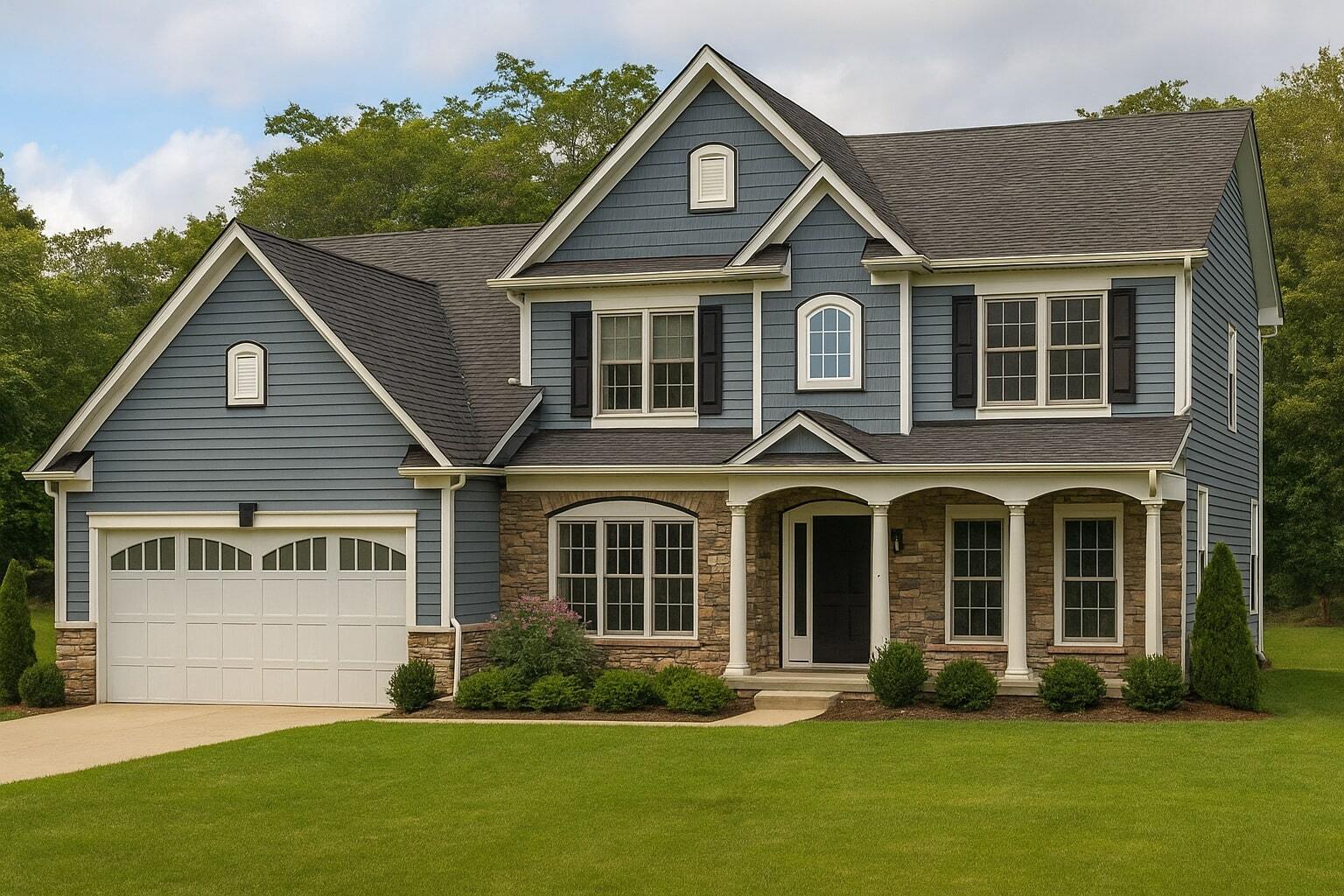
Key Takeaways
- Custom home construction saw a 3% rise in single-family housing starts in 2026, indicating sustained demand.
- Homeowners are increasingly committed to energy efficiency, sustainability, and wellness in their living environments.
- Technological advancements, such as smart home features and AI integration, are now standard in many custom homes.
- There is a distinct preference for smaller but highly functional living spaces that maximize comfort and utility.
The custom home building industry is undergoing dramatic changes as homeowners increasingly demand personalized living spaces that reflect their values, lifestyles, and priorities. Whether you’re planning to build from scratch or renovate an existing property, understanding the main trends shaping custom homes can empower you to make informed decisions. These developments offer opportunities not just for individuality but for environmental responsibility, wellness, and technological integration.
In 2026, the custom home market continues to grow to meet diverse homeowner needs. From embracing advanced energy efficiency to prioritizing wellness and multigenerational living, modern home construction reflects a holistic approach. By exploring these trends, prospective homeowners can better anticipate what to prioritize in their next dream home.
Notably, the movement toward environmentally friendly, resilient living spaces is defining today’s home construction projects. Design preferences are evolving, with greater emphasis on sustainable materials, connected technologies, and smart use of space. These features significantly influence the value and comfort of a custom-built home.
The increasing importance of individual choice and lifestyle-driven features means the market for custom homes is likely to continue growing. Adaptability in floor plans and architectural solutions for diverse household needs underpins the shift toward more purposeful and efficient living. For those considering not just the structure, but also the aesthetics and flow of their home, thoughtful home design bridges personal style and functional innovation.
Growth in Custom Home Building
The custom home sector continues to gain momentum despite fluctuations in the broader real estate market. In 2026, single-family custom home starts increased by 3%, with 186,000 new homes added nationwide. This increase illustrates the growing appeal of custom construction, driven by rising homeowner expectations for distinct architectural features and tailored living solutions. According to the National Association of Home Builders, the growth trend reflects a market shift from cookie-cutter homes to bespoke environments that meet varied household needs.
Emphasis on Energy Efficiency and Sustainability
Today’s custom homes frequently feature high-performance insulation, solar arrays, and geothermal heating and cooling systems. Buyers are increasingly aware of the long-term savings offered by sustainable construction and of its role in reducing environmental impact. The adoption of green building standards and certifications, such as ENERGY STAR and LEED, underscores an industry-wide push toward more responsible development. According to a Forbes Home report, energy-efficient homes consistently offer higher resale values and lower utility bills, making them highly attractive in today’s housing market.
Integration of Smart Home Technology
The widespread integration of smart technologies is reshaping custom home construction. Features like app-controlled thermostats, intelligent lighting, integrated security, and voice-activated devices are becoming common. Homeowners value the ease and security that these systems provide, allowing them to manage household functions from their smartphones. Many builders now offer comprehensive home automation solutions as a standard inclusion in new custom homes, reflecting the demand for seamless connectivity and advanced energy management.
Focus on Wellness-Centric Design
Health and well-being are at the forefront of modern custom home design. New builds now often include large windows for abundant natural light, dedicated air purification systems, and expansive outdoor living spaces. Selecting low-VOC paints and nontoxic materials minimizes indoor air pollution, contributing to healthier indoor environments. Rooms for yoga, fitness, or relaxation are also trending, as homeowners seek to create sanctuaries that support physical and mental health.
Preference for Smaller, Functional Spaces
Rising construction costs are prompting more buyers to consider compact, efficient floor plans. Innovative layouts maximize every square foot, often featuring open-concept kitchens and flexible rooms that serve multiple purposes. The shift toward smaller homes does not mean sacrificing luxury or style. Instead, it is about thoughtful planning, clever storage solutions, and adaptable spaces that effortlessly transition between functions, accommodating everything from remote work to entertaining guests.
Rise of Multigenerational Living
Another trend influencing custom home design is the rise in multigenerational households. Custom builds often incorporate self-contained suites, additional kitchens, and separate entries to comfortably accommodate elderly parents, adult children, or extended family members. This approach keeps families together while respecting the need for independence and privacy, creating harmonious households that can adjust as family dynamics evolve.
Use of Innovative Building Materials
Custom home designers are increasingly turning to new materials that support sustainable, efficient building practices. Engineered woods, prefabricated panels, and materials like rammed earth and cross-laminated timber improve both performance and environmental impact. Such advances enable more creative architectural solutions and speed up construction timelines, delivering durable, attractive, and eco-friendly homes that stand the test of time.
Conclusion
Trends in custom home construction reveal a pivot toward personalization, wellness, sustainability, and smart technology. Staying informed about these industry shifts is essential for anyone embarking on the journey of building or renovating their dream home. By integrating best practices for efficiency, health, and family-friendly design, today’s homeowners are setting new standards for comfort, innovation, and long-lasting value in residential construction.
