

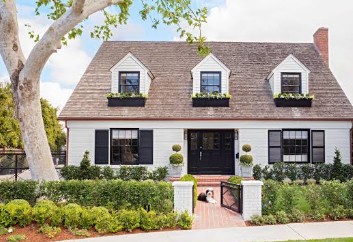
A coastal home can offer beach access, water views, and a lifestyle that feels like a permanent escape. Still, a beautiful view is only the starting point. Salt air, storm exposure, insurance costs, rental regulations, and neighborhood changes can all affect whether a property remains enjoyable and affordable after closing.
Local knowledge matters when comparing communities with very different rules and ownership costs. 30a real estate agents at The Gettings Group provide coastal real estate guidance for buyers exploring Florida’s 30A and Emerald Coast. Their website offers home searches, neighborhood information, and valuation resources, while their experience across areas such as Rosemary Beach, Seacrest, Watersound, Destin, and South Walton can help buyers look beyond a listing’s highlights.
1. Match The Property To Daily Life
Start with how you will actually use the home. A full-time residence, seasonal retreat, retirement home, and short-term rental can require very different locations and features. Consider grocery access, medical care, schools, airports, restaurants, internet reliability, and whether services remain available outside peak tourism months.
Visit at different times if possible. A quiet weekday can reveal parking, traffic, noise, and access issues that are easy to miss during a busy holiday weekend. Ask yourself whether the area will still feel practical when the vacation atmosphere fades.
2. Study The Neighborhood, Not Just The House
Read the details around the property before focusing on finishes or views. Check nearby development plans, road work, zoning changes, beach-access points, and planned commercial projects. A new hotel, road expansion, or construction site can change privacy, traffic, and noise levels.
Review HOA documents carefully. Look for rental limits, architectural controls, parking rules, pet policies, outdoor restrictions, reserve funding, and upcoming assessments. Compare nearby neighborhoods for walkability, privacy, public beach access, and year-round activity.
3. Check Flood Maps And Elevation Details
Flood exposure can vary dramatically between nearby streets and even adjacent lots. Review the current flood zone for the specific address through the FEMA Flood Map Service Center, then ask whether an elevation certificate is available. Elevation, drainage, storm-surge patterns, and the home’s construction all matter.
Online maps are a useful research starting point, not a final answer. Confirm details with local officials, a surveyor, your lender, and an insurance professional before removing important contract protections.
4. Price The Full Cost Of Ownership
The purchase price and mortgage payment are only part of the budget. Build an ownership estimate that includes:
- Property taxes and HOA or community fees
- Homeowners, wind, and flood insurance
- Hurricane or named-storm deductibles
- Utilities, landscaping, pest control, and routine maintenance
- Pool, dock, seawall, or exterior-structure care when applicable
Get property-specific insurance quotes during the inspection period. Standard homeowner’s policies generally do not cover flood damage, so review separate flood coverage and policy terms through FloodSmart rather than relying on a broad estimate.
5. Inspect Coastal Construction And Materials
Salt air, humidity, wind, heavy rain, and intense sun can accelerate wear. Hire an inspector who understands coastal homes and ask for close attention to the roof, windows, exterior doors, electrical panels, HVAC equipment, plumbing, drainage, foundation, crawl spaces, decks, balconies, stairs, railings, and exposed metal fasteners.
A basic visual inspection may not identify every concern. Depending on the home, additional roof, structural, mold, septic, pool, dock, seawall, or drainage evaluations may be worth the cost.
6. Review Storm Protection And Maintenance Records
Ask about impact-rated windows, storm shutters, reinforced garage doors, roof upgrades, and other wind-resistant features. Request records for roof replacement, water intrusion, storm damage, insurance claims, repairs, and permits. For waterfront homes, also examine maintenance records for docks, seawalls, retaining walls, erosion control, and drainage systems.
Documented, properly permitted improvements can support safety, insurability, and resale value. Missing records do not automatically make a home a poor choice, but they should lead to more questions and a realistic repair allowance.
7. Understand Financing And Insurance Before Making An Offer
Obtain pre-approval before touring higher-priced coastal properties. Lenders may consider flood zones, required insurance, property condition, and repairs needed before closing. Confirm insurability before waiving financing, inspection, or insurance contingencies.
- Which insurance policies will the lender require?
- What deductibles apply to wind, named storms, and flooding?
- Will the property need a four-point or wind-mitigation inspection?
- Are any past claims, repairs, or underwriting issues unresolved?
8. Check Rental Rules And Income Assumptions
Do not base rental potential solely on a listing description or peak-season nightly rates. Verify city, county, and HOA rules, including permits, occupancy limits, parking requirements, local taxes, and restrictions on short-term rentals.
Use conservative projections that account for vacancies, management fees, cleaning, repairs, utilities, insurance, platform fees, and slower months. A home may still be an excellent lifestyle purchase even if it does not produce strong rental income.
9. Consider Resale Value From The Next Buyer’s View
Think ahead to the buyer you may need to attract later. Walkability, convenient beach access, parking, quality construction, updated systems, manageable insurance costs, and practical layouts tend to have broad appeal. Compare recent closed sales, not just current asking prices.
High carrying costs, strict rental limits, difficult access, deferred maintenance, or significant flood exposure can narrow the future buyer pool. Consider how the property would perform if you needed to sell within three to five years.
10. Coastal Home Due Diligence Checklist
- Confirm the flood zone, elevation information, and drainage conditions.
- Request homeowners, wind, and flood insurance quotes.
- Review HOA, zoning, permit, and rental restrictions.
- Schedule a full inspection and specialty evaluations when needed.
- Review the roof, HVAC, electrical, plumbing, and exterior systems.
- Check repair records, permits, and insurance-claim history.
- Inspect docks, seawalls, pools, decks, and exterior structures.
- Compare recent closed sales and test the area during peak and off-peak periods.
- Confirm that the complete monthly ownership cost fits your budget.
Common Questions Buyers Ask
Is A Coastal Home Always In A High-Risk Flood Zone?
No. Proximity to the coast does not determine risk by itself. Elevation, drainage, flood mapping, building design, and the exact location can produce very different risk profiles.
What Is The Most Important Inspection For A Coastal Home?
A standard inspection is the starting point. The right additional inspection depends on the property, but roof, structural, moisture, seawall, dock, pool, septic, and wind-mitigation reviews are common considerations.
Should Buyers Choose New Construction Or An Older Coastal Home?
Newer homes may offer current building standards, modern systems, warranties, and lower near-term maintenance. Older homes may provide established locations, mature landscaping, and character. Compare condition, construction quality, and ongoing costs rather than relying on age alone.
Closing Perspective
The right coastal home is a complete ownership decision, not simply a view or address. A careful review of location, construction, flood exposure, insurance, maintenance, rental rules, and resale flexibility can prevent expensive surprises and make the coastal lifestyle far more rewarding.
