

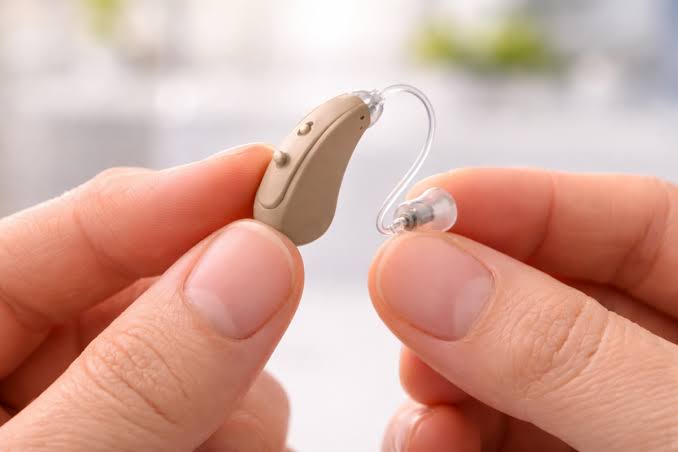
As hearing technology becomes more accessible, over the counter hearing aids are attracting growing interest from people looking for an affordable and convenient way to improve their hearing. These devices have expanded the options available to adults with perceived mild to moderate hearing loss, allowing many people to purchase hearing aids without first obtaining a prescription. However, their increasing popularity has also led to a number of misconceptions. Some people believe they are identical to prescription hearing aids, while others assume they are ineffective or unsuitable for anyone experiencing hearing difficulties. Understanding the facts behind these common myths can help consumers make informed decisions and choose the hearing solution that best meets their needs.
One of the most widespread myths is that over-the-counter hearing aids are simply cheap versions of prescription devices. In reality, the difference is not necessarily the quality of the technology but the pathway through which the devices are obtained. Prescription hearing aids are fitted and programmed by hearing care professionals following a comprehensive hearing assessment, while over-the-counter devices are intended for adults who believe they have mild to moderate hearing loss and wish to manage the process themselves.
Many over-the-counter hearing aids include advanced digital technology that would once have been available only in professionally fitted devices. Features such as background noise reduction, directional microphones, feedback suppression and smartphone app controls are increasingly common. The main distinction is that users are responsible for selecting, fitting and adjusting the devices rather than relying on professional programming.
Another common myth is that over-the-counter hearing aids work for every type of hearing loss. This is not the case. These products are designed specifically for adults with perceived mild to moderate hearing loss. They are not intended for children or for people with severe or profound hearing impairment.
Someone experiencing sudden hearing loss, hearing in only one ear, persistent dizziness, ear pain, drainage or rapidly worsening symptoms should seek medical advice rather than purchasing an over-the-counter device. These symptoms may indicate underlying medical conditions that require assessment and treatment by a healthcare professional before hearing amplification is considered.
Some people also believe that hearing aids restore hearing to normal. Unfortunately, no hearing aid can completely reverse hearing loss. Instead, hearing aids amplify sounds and process speech in ways that help users hear conversations more clearly in a variety of listening environments.
Modern digital processing can significantly improve communication, but hearing aids cannot perfectly recreate natural hearing. Background noise, room acoustics and the severity of hearing loss all continue to influence listening performance. Having realistic expectations is therefore an important part of achieving satisfaction with any hearing aid, whether purchased over the counter or through an audiologist.
A further misconception is that all over-the-counter hearing aids are identical. In reality, there is considerable variation between manufacturers and models. Devices differ in terms of amplification capabilities, battery life, comfort, connectivity, smartphone compatibility, available adjustments and sound processing features.
Some products provide only basic amplification, while others include sophisticated software capable of automatically adapting to different listening environments. Reading specifications carefully and comparing available features can help buyers identify devices that best suit their daily needs and lifestyle.
Many people also assume that over-the-counter hearing aids do not require any adjustment. Although these devices are designed to be self-fitted, achieving the best results often requires time and patience. Users may need to experiment with different ear tips, volume settings and sound profiles before finding the most comfortable configuration.
Most manufacturers provide instructions, smartphone applications or online guidance to help users customise their hearing aids. Taking time to make these adjustments can significantly improve both comfort and listening performance during everyday use.
Another myth suggests that professional hearing care becomes unnecessary once over-the-counter hearing aids are available. While these products increase access to hearing support, professional assessment remains valuable in many situations.
Hearing care professionals perform detailed hearing evaluations that identify both the degree and pattern of hearing loss. They can also detect medical conditions that may require treatment and recommend the most appropriate hearing solution. Even individuals who purchase over-the-counter hearing aids may benefit from periodic hearing assessments to monitor changes over time and ensure their hearing needs continue to be met.
Some consumers worry that over-the-counter hearing aids are uncomfortable because they are not individually custom-made. While custom hearing aids remain an excellent option for many people, modern over-the-counter devices are usually supplied with multiple ear tip sizes and styles to accommodate a wide variety of ear shapes.
Finding the correct fit is important for comfort, sound quality and reducing feedback. Most users can achieve a secure and comfortable fit by selecting the appropriate ear tip and following the manufacturer’s fitting guidance.
Another common misunderstanding is that hearing aids are only necessary for older adults. Although age-related hearing loss is common, hearing difficulties can affect adults of all ages. Noise exposure, certain medical conditions, infections, medications and genetic factors may all contribute to hearing loss earlier in life.
Because hearing loss often develops gradually, many younger adults postpone seeking help even when communication begins to suffer. Accessible hearing technology has encouraged greater awareness that addressing hearing concerns early may improve quality of life, workplace performance and social confidence.
Some people believe hearing aids should only be worn in specific situations, such as conversations or watching television. In reality, many hearing professionals recommend wearing hearing aids consistently throughout the day once users have adjusted to them. Regular use allows the brain to adapt more effectively to amplified sound and helps users become increasingly comfortable interpreting everyday environmental noises.
Consistent use may also improve communication in a wider variety of listening situations, from family gatherings and shopping trips to meetings and outdoor activities.
Cost is another area where misconceptions frequently arise. Over-the-counter hearing aids are generally less expensive than prescription devices because they do not include professional fitting services, comprehensive hearing assessments or ongoing clinical support. However, lower cost does not automatically mean poor quality.
Many manufacturers invest heavily in research and development, producing devices with advanced digital processing that provide excellent value for suitable candidates. The key is choosing a reputable brand while ensuring the product matches the user’s hearing needs and expectations.
It is equally important to understand that over-the-counter hearing aids are not intended to replace comprehensive hearing healthcare altogether. They expand access to hearing support for many adults, but professional advice remains essential whenever hearing loss is severe, symptoms are unusual or there is uncertainty about the underlying cause.
The growing availability of over-the-counter hearing aids represents an important step towards improving access to hearing assistance. For many adults with mild to moderate hearing loss, these devices provide a convenient and cost-effective option that can improve communication and everyday quality of life. At the same time, understanding their intended purpose, limitations and appropriate use helps prevent disappointment and ensures they are used safely.
Separating myths from facts allows consumers to make better-informed decisions about their hearing health. By recognising that over-the-counter hearing aids are designed for specific users, appreciating their capabilities and understanding when professional assessment remains appropriate, individuals can confidently choose the hearing solution that best supports their lifestyle, communication needs and long-term hearing wellbeing.
