

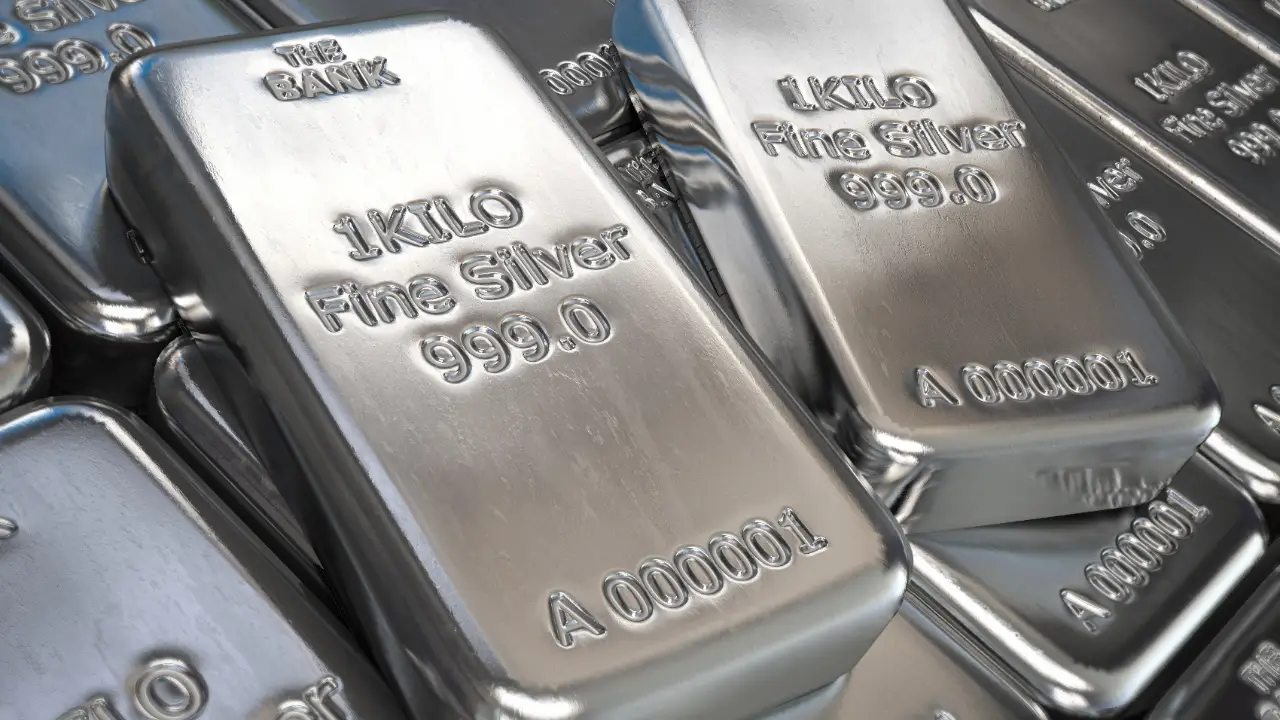
Silver is often overlooked in favour of gold, yet it has quietly earned its place as a serious investment asset. For first-time investors, silver can feel more approachable thanks to its lower entry price and strong real-world demand. Before you buy silver, it is important to understand what drives its value, what form of silver suits your goals, and what costs and risks come with owning it.
Know why you want to buy silver
The first step is understanding your motivation. Some investors buy silver to hedge against an uncertain economy, while some see it as a great investment portfolio diversifier. Silver is unique because it is both a precious metal and an industrial metal. It is used in electronics, solar panels, electric vehicles, medical equipment, and batteries. This industrial demand means silver prices can respond to economic growth, not just investor sentiment.
Knowing whether you are buying silver for wealth preservation, growth potential, or diversification will shape every other decision you make.
Choose between physical silver and paper silver
Before you buy silver, decide whether you want physical ownership or exposure through financial products. Physical silver includes coins, bars, and rounds. These give you direct ownership of the metal and are not tied to the performance of banks or financial markets.
Paper silver, such as exchange-traded funds or mining stocks, offers convenience and easier trading but does not provide physical possession. Many first-time investors lean toward physical silver because of its tangibility and long-term security.
Understand spot price and premiums
Silver is priced based on a global spot price, but that is not the final price you will pay. When you buy silver, dealers charge a premium above spot to cover minting, transport, and operational costs. Premiums vary depending on product type, market demand, and availability.
Government-issued coins usually carry higher premiums than silver bars, while larger bars tend to have lower premiums per ounce. Understanding premiums helps you compare products properly and avoid paying more than necessary. The Royal Mint explains how silver premiums work and why they fluctuate.
Liquidity and resale are key
Even if you plan to hold silver long term, resale matters. Before you buy silver, think about how easy it will be to sell later. Popular coins and standard bar sizes are generally easier to sell than niche or collectible items.
It is also wise to research reputable dealers in advance. Knowing where you will sell and what buyback terms look like gives you confidence and protects your investment.
Prepare for price volatility
Silver is more volatile than gold. Prices can move sharply based on industrial demand, economic data, and market sentiment. This volatility can be unsettling for first-time investors, but it is normal for silver.
Many investors reduce risk by spreading purchases over time instead of trying to time the market perfectly. Taking a steady, long-term approach often works better than reacting to short-term price movements.
Storage and security should not be overlooked
If you buy silver in physical form, storage becomes part of the investment. Options include home safes, bank deposit boxes, or professional vaulting services. Each comes with different costs and security considerations.
Think long term
Silver is not about fast profits. Its strength lies in diversification, inflation protection, and long-term global demand. By understanding these factors before you buy silver, you position yourself to invest with confidence and clarity, rather than impulse.
